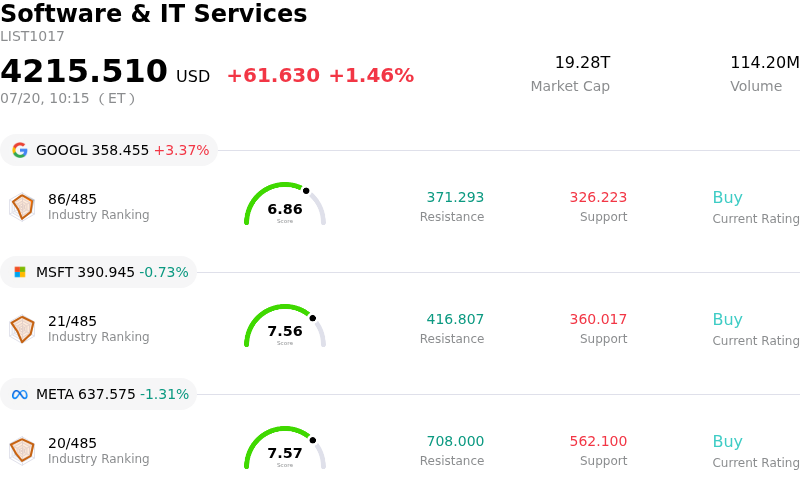
Oracle Corp (ORCL) moved down by 3.59%. The Software & IT Services sector is up by 1.46%. The company underperformed the industry. Top 3 stocks by turnover in the sector: Alphabet Inc Class A (GOOGL) up 3.37%; Microsoft Corp (MSFT) down 0.73%; Meta Platforms Inc (META) down 1.31%.
What is driving Oracle Corp (ORCL)’s stock price down today?
Oracles downward movement today reflects growing investor caution regarding the sustainability of its cloud infrastructure growth rates. Despite the companys aggressive expansion into the AI-driven data center market, recent industry data suggests a potential cooling in enterprise spending. Institutional investors appear to be reassessing the timeline for Oracles cloud transformation to translate into consistent margin expansion, particularly as capital expenditures remain elevated to keep pace with hyperscale competitors.
The broader macroeconomic environment is adding pressure to high-growth technology names. With recent labor market data and inflation indicators suggesting the Federal Reserve may maintain a restrictive monetary policy longer than anticipated, equity risk premiums have shifted. For capital-intensive firms like Oracle, the prospect of prolonged high borrowing costs impacts the net present value of future cash flows, leading to a de-rating of valuation multiples across the software sector.
Sector-specific dynamics are also playing a role in todays volatility. Competitors in the cloud space have recently introduced aggressive pricing models for sovereign cloud and AI services, sparking fears of a margin-compressing price war. While Oracle has successfully carved out a niche with its high-performance OCI offerings, analysts have raised questions about whether the company can maintain its premium positioning as hardware supply chains stabilize and rival capacities increase.
Technical factors and institutional portfolio adjustments further exacerbated the decline. Following a period of significant outperformance, the stock faced a wave of profit-taking as it breached key support levels. This selling pressure was likely intensified by quantitative funds reacting to the increase in volatility and broader market de-risking. Although Oracles long-term pivot toward an integrated cloud and applications provider remains intact, the current market sentiment emphasizes short-term execution risks and the high cost of maintaining its competitive moat.
Technical Analysis of Oracle Corp (ORCL)
Technically, Oracle Corp (ORCL) shows a MACD (12,26,9) value of -1.525, indicating a sell signal. The RSI at 29.255 suggests sell condition and the Williams %R at 85.121 suggests oversold condition. Please monitor closely.
Media Coverage of Oracle Corp (ORCL)
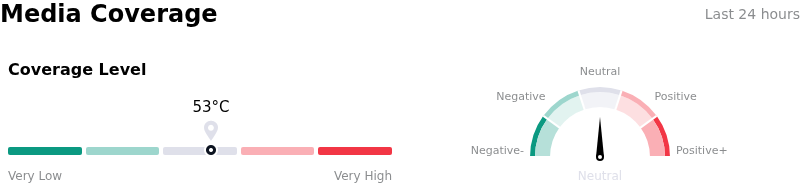
In terms of media coverage, Oracle Corp (ORCL) shows a coverage score of 53, indicating a moderate level of media attention. The overall market sentiment index is currently in neutral zone.
Fundamental Analysis of Oracle Corp (ORCL)
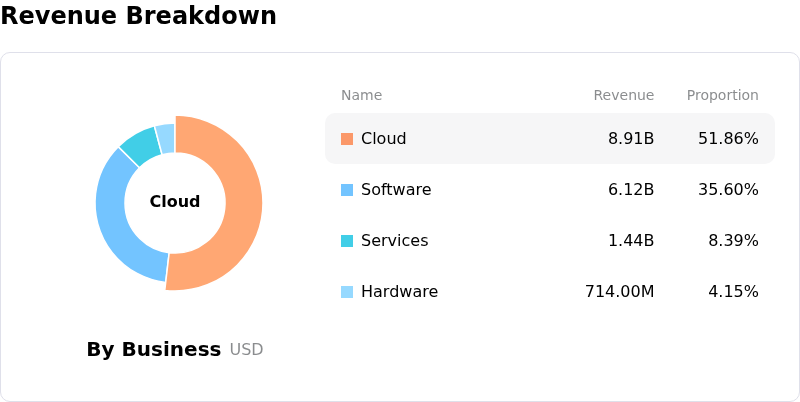
Oracle Corp (ORCL) is in the Software & IT Services industry. Its latest annual revenue is $67.36B, ranking 8 in the industry. The net profit is $16.98B, ranking 6 in the industry. Company Profile
Over the past month, multiple analysts have rated the company as Buy, with an average price target of $255.57, a high of $400.00, and a low of $155.00.
More details about Oracle Corp (ORCL)
Company Specific Risks:
- Severe Free Cash Flow Deficit and Capital Overhang: Recent regulatory disclosures reveal that Oracle's aggressive artificial intelligence pivot has driven capital expenditures to $55.7 billion, resulting in a deeply negative annual free cash flow of $23.7 billion. Markets are reacting to the fiscal 2027 projection of $95 billion in additional spending, which necessitates a massive $40 billion debt and equity raise that threatens to dilute shareholders and strain liquidity.
- Extreme Customer Concentration Risk: Institutional analysts have voiced urgent concerns regarding Oracle's outsized exposure to OpenAI, which is now forecasted to represent over 30% of the company's total revenue by 2028. This creates a systemic vulnerability where any reduction in OpenAI's growth targets or a shift in its infrastructure partnerships could immediately jeopardize a significant portion of Oracle's $98 billion Remaining Performance Obligation (RPO).
- Credit Rating Downgrade and Mounting Debt Burden: Within the last 72 hours, S&P Global downgraded Oracle's long-term credit rating to a single notch above non-investment grade, citing the company's "persistent underestimation" of capital requirements and a total debt load approaching $130 billion. The downgrade increases the cost of servicing existing debt and signals a deteriorating balance sheet that may force the suspension of share buybacks to preserve capital.
- Environmental Permitting Failures and Regulatory Inflation: Reports from the last 48 hours indicate that Oracle's $16.5 billion AI data center project in New Mexico has stalled due to environmental permitting hurdles, forcing a shift to fuel cells that has increased project costs by several billion dollars. These localized execution failures, combined with ongoing securities litigation regarding alleged misleading statements on AI ROI, have significantly increased the risk premium demanded by investors.
Find out more
Comments