Brent (UKOIL) is down 5.26% at Jul 27 00:10(ET), now at $87.74, with a 7-day down of 0.67%.
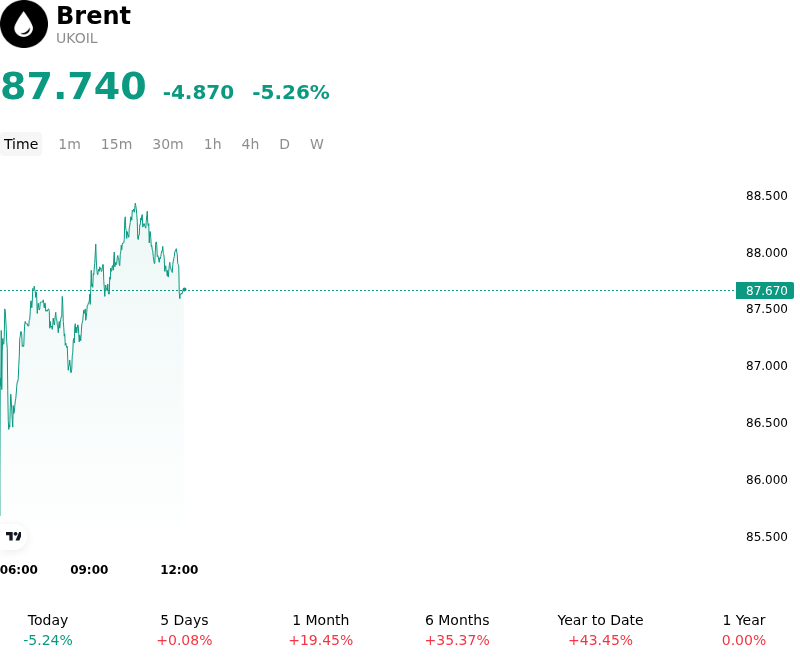
What is driving Brent (UKOIL)’s stock price down today?
The sharp downward pressure on Brent crude prices is primarily attributed to a significant shift in OPEC+ production policy expectations. Internal reports suggest that several key members within the alliance are advocating for an accelerated timeline to unwind voluntary production cuts, potentially reintroducing substantial supply into the global market earlier than anticipated. This development has effectively dismantled the supply-tightness narrative that had supported prices in recent weeks, as investors now pivot toward a projected surplus in the fourth quarter and into the upcoming year.
Simultaneously, demand-side headwinds have intensified following a series of disappointing economic indicators from major consuming nations. Recent industrial production and refining throughput data from China indicate a persistent cooling of the manufacturing sector, raising concerns that the world’s largest crude importer may see stagnant growth in its energy requirements. This erosion of the demand outlook, coupled with unexpectedly high inventory builds in the Atlantic Basin, has created a bearish fundamental backdrop that exacerbated the selling pressure throughout the session.
The move was further amplified by macroeconomic factors, specifically a resurgence in the US dollar following hawkish commentary from Federal Reserve officials regarding the path of interest rates. As the dollar strengthens, crude oil becomes more expensive for international buyers, naturally curbing global demand. Furthermore, the breach of key technical support levels triggered systematic selling by commodity trading advisors and algorithm-driven funds, which accelerated the price descent as stop-loss orders were executed in a high-volatility environment.
Geopolitical risk premiums are also being reassessed as diplomatic efforts in key producing regions show signs of progress, reducing the immediate threat of supply disruptions. While the market remains sensitive to regional volatility, the absence of a direct escalation has allowed traders to focus back on the weakening physical market fundamentals. This combination of rising supply expectations, deteriorating demand signals, and a stronger dollar suggests a broader repricing of the crude complex rather than a localized event.
Institutional investors are now closely monitoring upcoming storage reports and official refinery utilization rates to gauge whether this move reflects a structural shift toward oversupply. The risk remains that if global manufacturing activity does not rebound, the market may require further intervention from major producers to stabilize prices. For now, market sentiment has shifted toward defensive positioning as the global supply-demand balance appears increasingly fragile.
Technical Analysis of Brent (UKOIL)
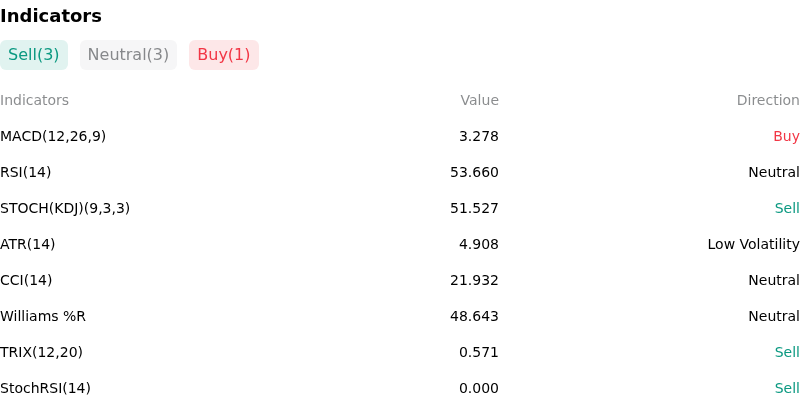
Technically, Brent (UKOIL) shows a MACD (12,26,9) value of 3.278, indicating a buy signal. The RSI at 53.660 suggests neutral condition and the Williams %R at 48.643 suggests neutral condition. Please monitor closely.
More details about Brent (UKOIL)
Recent Events and Risks:
- Libyan Supply Normalization: The recent political agreement to appoint a new Central Bank governor has led to the lifting of force majeure across major oil fields and terminals, threatening to rapidly return over 500,000 barrels per day to the global market and erasing the supply-side risk premium.
- China Demand Deterioration: Latest economic indicators from China show a continued contraction in manufacturing activity and a significant year-over-year decline in crude imports, fueling institutional fears that structural weakness in the world's largest importer is becoming a permanent drag on Brent prices.
- OPEC+ Production Strategy Uncertainty: Despite the two-month delay to planned output increases, market participants are increasingly concerned that OPEC+ may prioritize market share over price defense if non-OPEC production continues to grow, potentially leading to an oversupplied market in early 2025.
- Weakening Refining Margins: Global cracks for middle distillates and gasoline have softened significantly in the last 72 hours, signaling tepid end-user demand which may force refiners to reduce crude intake and lower their physical bids for Brent-linked grades.
Find out more
Comments